November 28, 2024
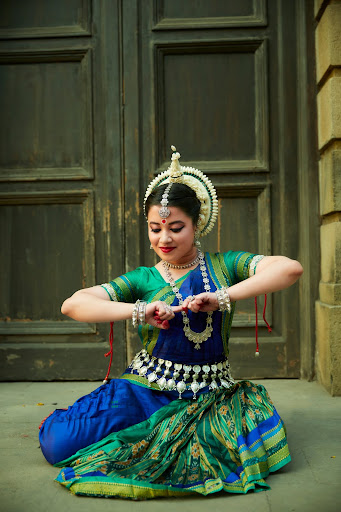
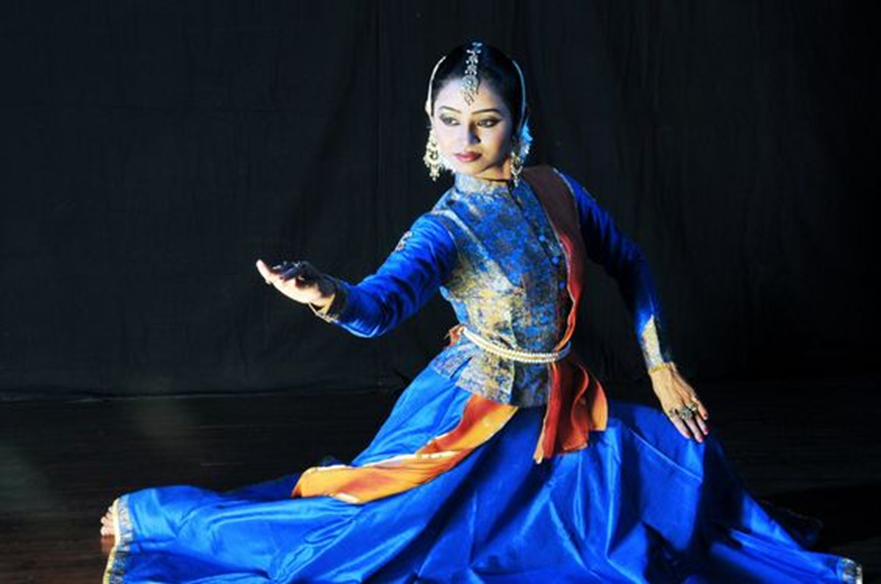
The word “Kathak” comes from “Katha”, which means story and Kathak refers to the storytellers. It is a beautiful dance form that originated in the North Indian temples.
Kathak is a mix of rhythm, feeling, discipline, and freedom. It is the most graceful dance form in India.
Kathak is full of music combined into one art form. The steps include fast foot tapping that sounds more prominent with ghungroo, effortless spins, expressive eyes, and intricate hand gestures. The real beauty of Kathak lies in its structure.
Through this guide, you’ll learn about the 5 Kathak dance steps as a beginner and some core elements and movements that make this dance form more captivating.
Learn all these movements in detail.
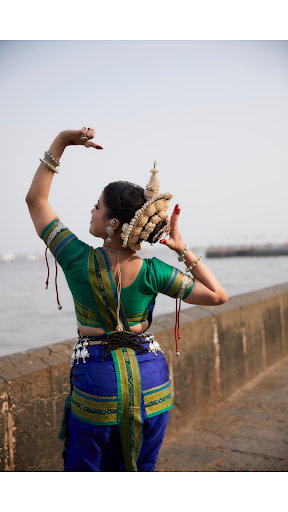
In Kathak, the upper body moves should be smooth, elegant and in a continuous way. Every movement flows like water. Your body should create seamless transitions that captivate the audience and each movement should connect naturally to the next with an artistic expression.
Kathak is truly remarkable because of the dancers who maintain this flowing grace with their upper body and fast footwork. Even when their feet move rapidly, their upper body remains stable and controlled.
In Kathak, the arms move independently and gently with confidence. The arms should neither be too stiff nor too loose when you’re performing this art form. The movement starts from the shoulders, flows through the elbow and ends on the fingertips.
All the upper body movements rise, extend, and return in smooth curves rather than sharp angles. Experienced dancers do not rush these movements. Each arm movement is planned and precise, which helps maintain the flow and symmetry throughout the performance.
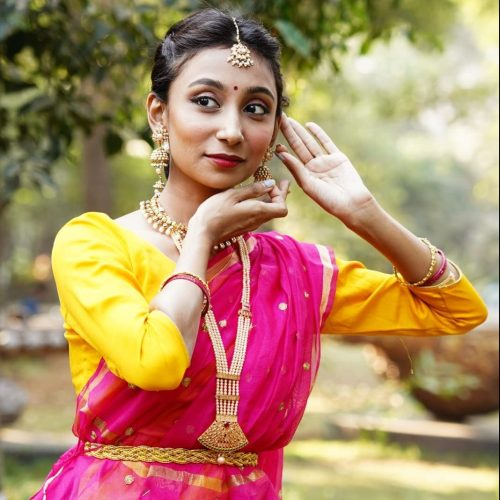
Hand movements means communication in Kathak. Specific hand gestures are called as mudras and Kathak dancers express these mudras in different forms and emotions.
When you do small changes in finger positions or wrist movement, it changes the whole meaning of a gesture. These hand movements add clarity to storytelling and help the performer to communicate without words.
The Torso in Kathak movements is quite graceful and well balanced. This Kathak move should not be done unnecessarily, as it helps respond gently when there is a requirement for expression.
Torso involves the straight spine, relaxed shoulders, and chest that remains open. In Torso, strong posture supports foot tappings, turns, and expressions. Torso provides stability and enhances the overall elegance of the performance.
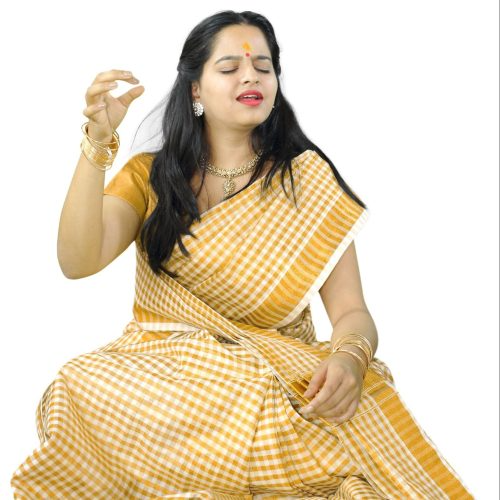
The Hand and neck movements in Kathak should be subtle and powerful. These movements give life to the whole performance. A slight tilt of the head and changes in the eye expressions can shift the mood of an entire performance.
The eyes follow the hands which creates a strong connection between movements and expressions. Together, the head, neck, and eyes add a depth and sensitivity to the dance.
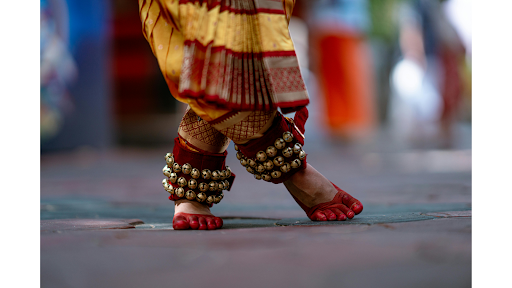
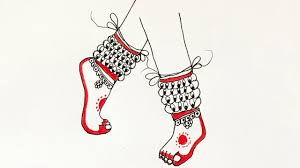
In Kathak, feet are the main storytellers and ghungroos transform the floor into a musical instrument. The entire footwork creates rhythm and meaning. Every step produces a beautiful sound and every sound follows a pattern. And when they all work together, they turn into music and give Kathak a strong rhythmic identity.
Tatkar in Kathak is the most important footwork. It is imperative that Tatkar must be perfected for the posture, balance, timing, and rhythmic discipline. Each step has its own bol – Ta, Thei, Thei, Tat. This is where the rhythm starts. Tatkar creates the foundation of all the other footwork in Kathak.
Beginners should focus on:
Tora combines the long, fast rhythmic patterns with smooth movements. In tora, the feet move in quick patterns, spinning, and stepping, all together. It helps Kathak dancers to perform a structured footwork pattern that flows continuously.
A Tora always ends on Sam, the first beat of the rhythmic cycle. This step helps dancers to learn how to move through rhythm and return to the starting beat with control.
Tukras are short and sharp rhythmic phrases. It is mainly sharp, precise, and well-defined footwork. In Tukra, the Kathak steps are quick, controlled and the movement ends on Sam.
Chakkar refers to the spins in Kathak. Good spins always rely on balance, control, and focus. The dancer turns with speed while maintaining balance and posture beautifully. Each spin feels endless and controlled.
Every spin stays aligned with the rhythm and Kathak performers always finish exactly on the beat.
Paran brings strong and powerful footwork based on bols of the pakhawaj drum. The Kathak dancers mimic the rhythm of tabla and the steps follow bold rhythmic patterns and movements, which gives the footwork a deep and commanding sound.
Parans generally feature intricate rhythmic sequences and complex footwork patterns. Paran is the showcase of the Kathak performer’s skills and mastery of rhythm.
Chakradhar means a rhythmic pattern that follows a repeated cycle. In Chakradhar Paran, the same footwork sequence is performed three times.
These patterns are created from the bols of the pakhawaj drum, such as Dha, Dhin, Gadi, Traka, Dhumkit. Each repetition becomes more impactful and ends on the first beat (sam) of the cycle.
Tihai is the closure to a sequence. The Kathak dancer repeats a rhythmic phrase three times with an equal interval to create a climax. It often ends on the first beat, Sam. Thais are used to end sections clearly and confidently, which makes the rhythm feel complete.
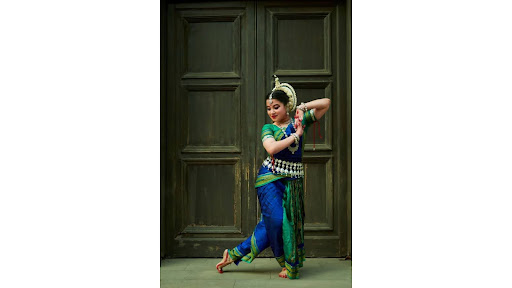
In Kathak, bols are the spoken rhythmic sounds. They represent drum beats like Dha, Dhin, Ta, Kat that used to form intricate footwork. Kathak dancers practice bols to strengthen timing, memory, and coordination.
When a dancer can speak the rhythm clearly, the body flows naturally. Each bol corresponds to a specific action of the feet. When you learn Kathak steps, speaking bols aloud while practicing footwork is the most effective. This allows you to perform even complicated footwork with confidence and accuracy.
Keeps Rhythm Clear: Every bol matches a step and simple syllables such as ta and thei guide the dancer’s feet with accuracy. When dancers practice footwork with bols, they maintain clear timing, even in fast sequences.
Encourages Creativity: Kathak allows creativity and Bols allow dancers to explore rhythm freely. Dancers can change the patterns and speed based on the music. This interaction between the performer and the tabla makes each Kathak performance unique and engaging.
Synchronization with Music: Bol helps dancers to stay aligned with the music by understanding the rhythm. This creates a smooth coordination between sound & movement.
Expresses Emotions Through Rhythm: By changing the speed and flow of foot tapping on each bol, a Kathak dancer can convey multiple emotions such as joy, excitement, and sadness. The slight shift in rhythm and slow patterns can bring emotions and express softness.
Builds Foundation for Complex Footwork: Kathak dancers perform on multiple bols to create a detailed rhythmic structure. When dancers practice different bols, it improves focus, memory and rhythm sense. These complex patterns and bols help dancers perform advanced and complex footwork smoothly and with confidence.
Tatkar Bols: (Ta Thei Thei Tat) These bols form the foundation of the footwork pattern. Every beginner starts from here to understand the rhythm and balance.
Tihai Bols: (Dhin Dhin Dha Dhin Dhin Dha Dhin Dhin Dha) As the name suggests, these bols are repeated thrice to end on Sam. A tihai helps bring a clear ending to a dance sequence.
Tora Bols: (Dha Dha Tei Tei) These bols are commonly used to flow rhythmic compositions that allow for rapid and intricate steps. Tora bols help dancers to perform with speed and grace.
Tukra Bols: (Dha Dhin Dhin Dha) These bols are used for short and sharp rhythms. These bols are used to create quick and lively footwork that requires clarity.
Paran Bols: (Dha Dhin Dhin Dha, Tin Tin Ta) These are the strong rhythmic sounds inspired by the pakhawaj drum. Paran bols are complex, which adds spins and powerful movements to the dance.
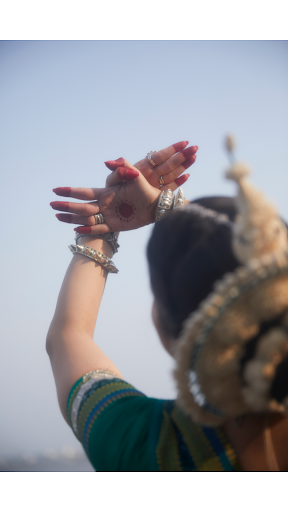
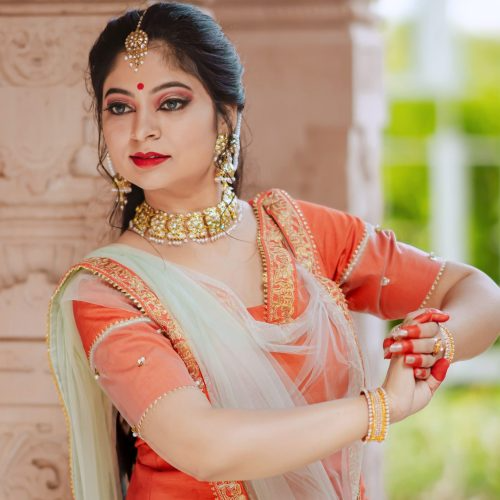
Hasta Mudras play a very important role in this dance form and act as a visual language of the dance. It helps the dancers tell stories and express emotions with a variety of hand movements.
Ancient texts like the Natyashasta have mentions of these hand gestures that are still being used to express scenes from mythology, nature, the kings, oceans, and mountains through this dance form.
There are several Hasta Mudras that help show emotions such as happiness, devotion, sadness, and every feeling in between. A single Hasta Mudra describes flowing water, rising sunlight, the glowing moon, or other deep devotion. When a dancer performs Hasta Mudras along with the footwork, eye expressions, and facial movements, they make Kathak storytelling complete and meaningful.
There are two types of Hasta Mudras in Kathak:
Asamyukta uses one hand to present actions, objects, and feelings. Even with a single hand, a dancer can clearly communicate complex ideas.
Let’s explore all the gestures of Asamyukta Hastas.
Pataka: The palm stays open and straight like a flag waving. It is commonly used to show wind, water flow, and clouds.
Tripataka: The ring finger bends slightly. This mudra represents crowns, flames, trees, etc.
Ardhapataka: The little finger is bent a little and shows meanings like leaves moving in the breeze or the graceful sweep of water.
Kartari Mukha: This gesture looks like an open scissor. Dancers use it to show separation, sharp movements, or dramatic transitions.
Mayura: Thumb and ring finger form the shape of a peacock – an elegant bird. This mudra represents beauty and grace.
Ardhachandra: The thumb extends outward while the other fingers stay together. It represents a half moon.
Mushti: In this mudra, a closed fist shows strength, determination, and firmness.
Shikhara: This gesture shows a steady fist and the thumb pointing upward. It represents bow, pillar, and divine figures such as Lord Shiva.
Kapittha: The thumb and index finger form this shape. This form of gesture is associated with goddesses like Laxmi and Saraswati.
Katakamukha: This is like a pinching gesture. This is used while showing actions like picking flowers, holding a garland and offering something.
Suchi: The index finger points forward, which draws attention to a specific object.
Chandrakala: This mudra forms a crescent moon with the thumb and finger or represents softness in emotion.
Samyukta uses both hands together to express emotions and visual images.
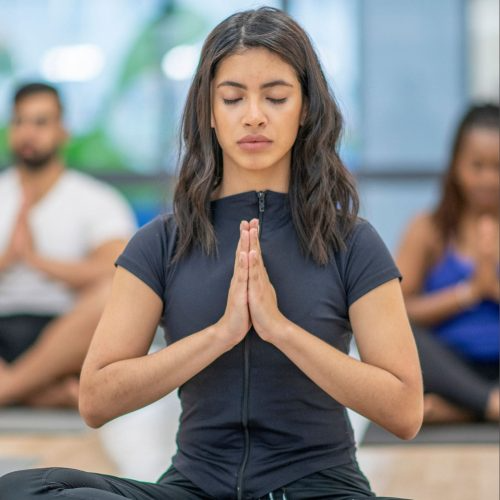
Anjali: Both palms join together in a respectful greeting or prayer. It expresses humility, devotion, and respect.
Shivalinga: One hand forms a fist while other supports it from below. It symbolizes Lord Shiva and divine energy.
Pushpaputa: Both palms facing upward, this mudra represents offering flowers or gifts with purity.
Kataka Vardhana: Both hands form a circle, which symbolizes unity, blessings, or completeness.
Karkata: Fingers interlock to form a firm structure. This mudra shows stability, strength, and something solid and unmovable.
Makara: This mudra forms mythical creature shapes like water and ancient symbols.
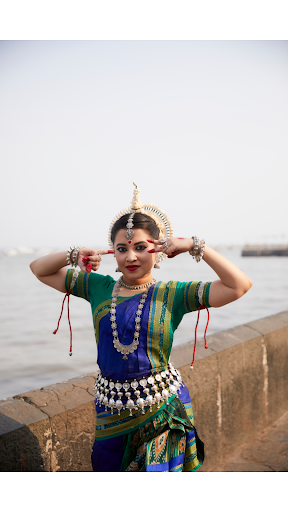
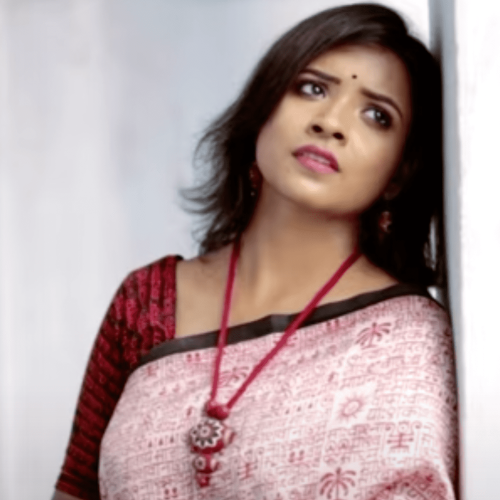
“Abhinaya” is a Sanskrit term that means “expression”. Without abhinaya, the movements feel empty in Kathak performances. It helps Kathak performers convey emotions, characters & stories using their face and body movements. It turns steps into a story and allows dancers to connect with their audience deeply.
Abhinaya is divided into 4 main types
Angika Abhinaya is an expression with movements like eye rolls and eyebrow raises that can communicate feelings such as happiness and sadness. Additionally, chakkar, footwork, and changes in the stance symbolizes various feelings and elements. Performers show emotions physically through various postures and movements.
Vachika Abhinaya is related to sound and speech. Kathak uses Vachika Abhinaya through lip movements or poetry recitation. Dancers silently sync their lips to lyrics or verses. This helps strengthen storytelling by adding meaning and emotional clarity which allows the audience to better understand the narrative.
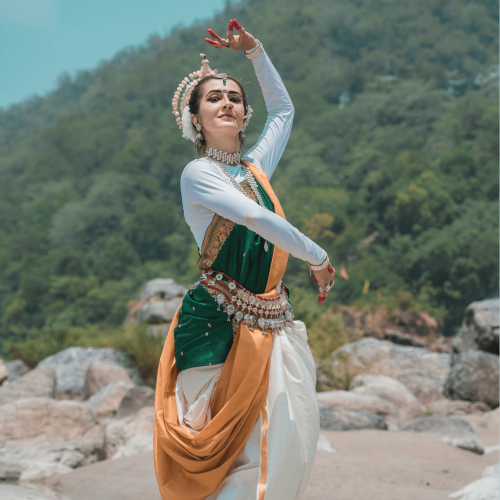
Aharya Abhinaya defines the character and situation within the narrative. It includes the visual elements of the performance like costumes, makeup, jewelry, and stage appearances.
Sattvika Abhinaya is one of the most difficult to master as it requires the performer to feel real emotions and it naturally reflects in their movements and expressions. It allows the performer to truly connect with the audience.
Graceful movements, rhythm, and storytelling through eye and hand gestures are all a part of Kathak. Its foundation lies in five important elements – upper body movements, footwork, bols, hasta mudras (hand gestures), and Abhinaya.
The movements of the upper body add softness and flow, while the fast footwork creates strong rhythmic patterns. The Bols direct the way of the dance as well as keep Kathak performers in sync with music, Hasta Mudra or hand gestures, help tell stories and Abhinaya allows dancers to express emotions and tell stories in a deeply engaging way.
Together, they create a brilliant and emotionally rich dance form, Kathak.